The Engineer’s Guide to 317L Stainless Steel Hex Bolts and Industrial Fasteners
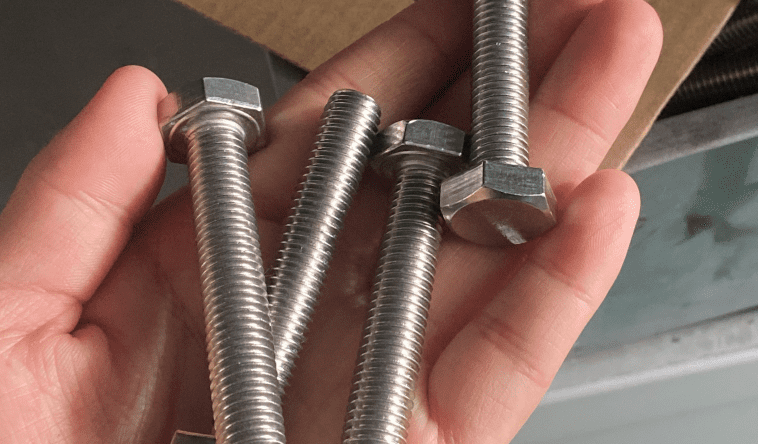
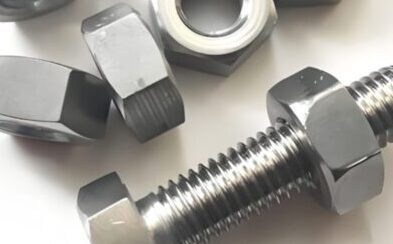
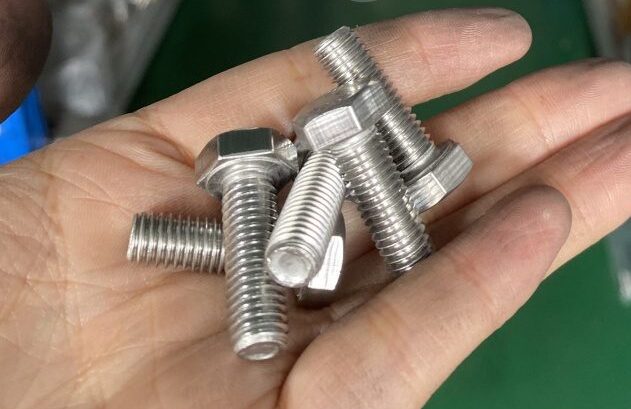
In demanding industrial environments, the difference between a standard fastener and a high-performance solution is often the grade of steel. While 304 and 316 are common, 317L stainless steel hex bolts offer superior resistance to chemical attack, pitting, and crevice corrosion, particularly in acidic chloride environments.
Technical Comparison: Fastener Geometry and Grades
Choosing the right bolt requires understanding how head design and material properties interact. Below is a breakdown of the most common high-strength fasteners used in heavy industry.
-
Hexagon Head Bolts vs. Hex Cap Screws
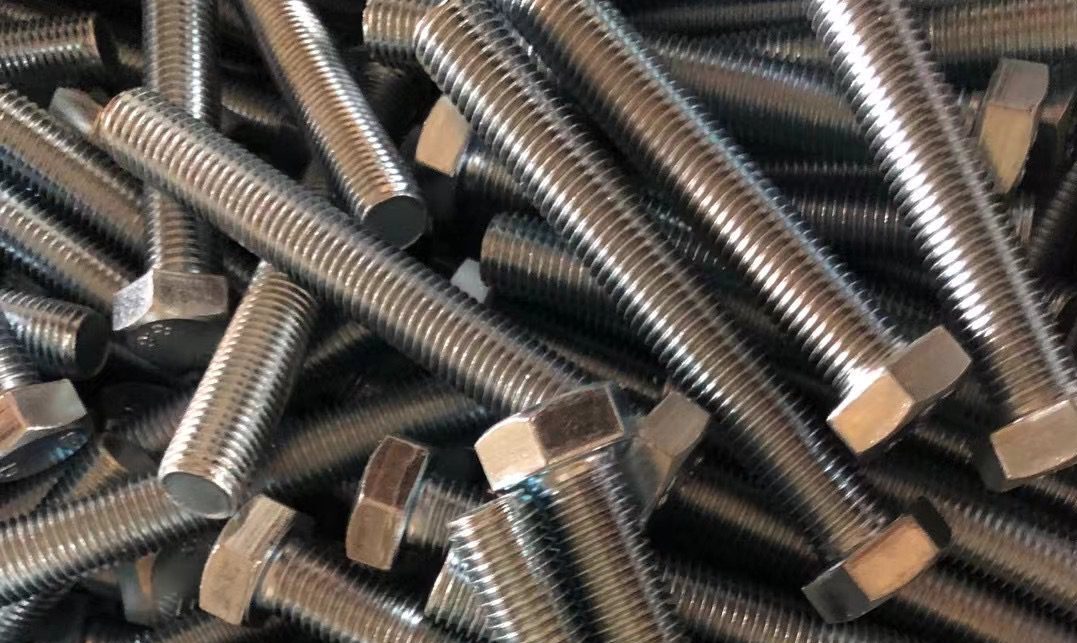
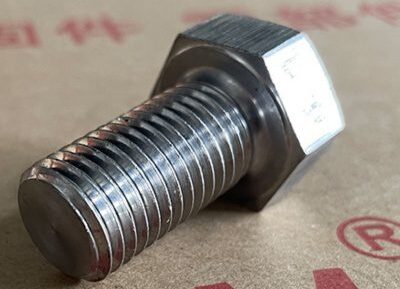
While often used interchangeably, hexagon head bolts and hex cap screws have distinct differences. Hex cap screws feature a washer face under the head and tighter tolerances, making them ideal for precise machinery. In contrast, machine bolts are often used for general construction where a nut is the primary tightening mechanism.
-
Heavy Hex Bolts and Metric Hex Bolts
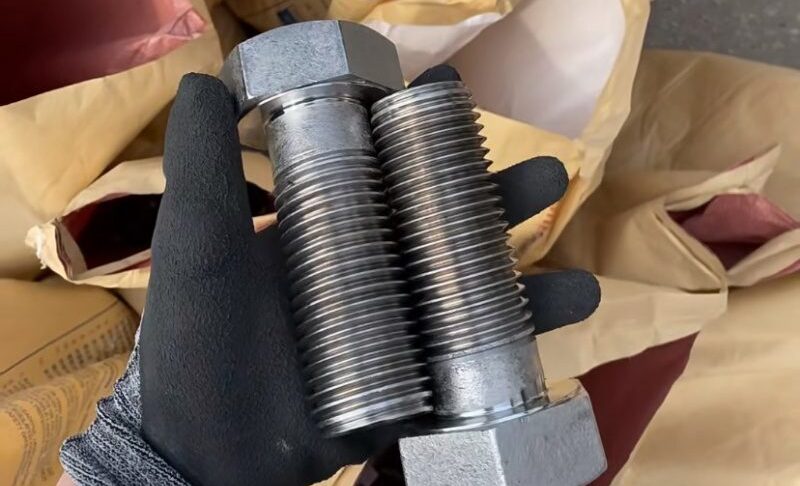
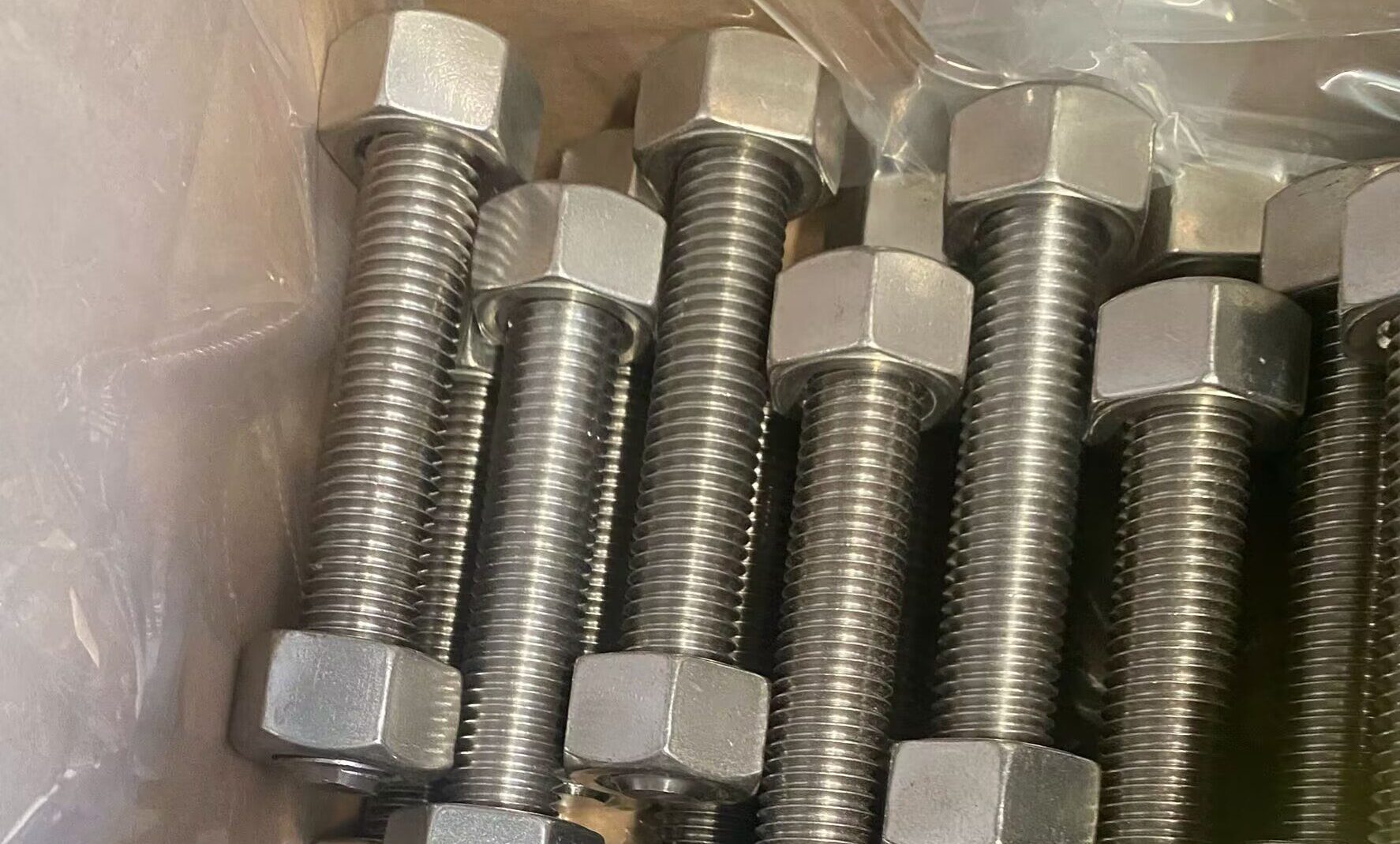
For structural steel and high-load applications, 317L heavy hex bolts provide a larger head surface area to distribute clamping force. We also supply metric hex bolts to meet international ISO and DIN standards, ensuring compatibility across global manufacturing lines.
-
Socket Head Cap Screws
When space is limited, socket head cap screws are the preferred choice. Their internal drive allows them to be counterbored into a surface, providing a low-profile finish without sacrificing high-strength performance.
Technical Comparison Table: Fastener Specifications
| Feature | Hex Head Bolts | Socket Head Cap Screws | U-Bolts |
| Common Drive | External Wrench | Internal Hex (Allen) | Nut/Threaded Plate |
| Material Grade | 317L / 316 / High-Strength | 317L / Alloy Steel | 317L / 304 |
| Best For | Structural / Heavy Machinery | Precision / Tight Spaces | Piping / Tube Support |
| Thread Options | Coarse (UNC) & Fine (UNF) | Typically Fine/Standard | Coarse (UNC) |
Comparison: 317L in Hostile Environments
| Requirement | Application | Why 317L Fasteners? |
| Sour Service | Gas Processing | Resists H₂S and high-concentration sulfur compounds. |
| Splash Zone | Offshore Rigs | Prevents pitting from constant saltwater/oxygen cycles. |
| Vibration | Wind Turbines | Maintains clamping force under cyclic fatigue. |
Critical Performance Benefits for Industrial Use317L: The Superior Corrosion Solution :
The “L” in 317L denotes low carbon, which minimizes carbide precipitation during welding. This makes 317L stainless steel hex bolts significantly more reliable in welded assemblies than standard grades. With higher molybdenum content than 316L, these threaded bolts withstand phosphoric and sulfuric acid attacks that would degrade lesser materials.
Thread Selection: Coarse (UNC) vs. Fine (UNF)
- Coarse Thread (UNC):Preferred for rapid assembly and durability in brittle materials.
- Fine Thread (UNF):Offers higher tensile strength and better vibration resistance, making them ideal for high-strength bolts in automotive and aerospace sectors.
Thread Configuration: Fully Threaded vs. Partially Threaded
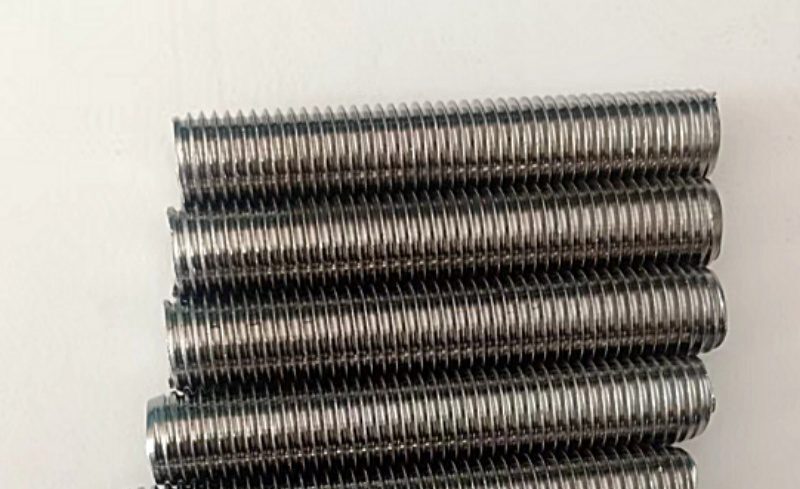
- Fully Threaded:Best for applications where the bolt is under tension along its entire length.
- Partially Threaded:Features a smooth shank that provides superior shear strength, making it the better choice for structural joints.
Industry Applications
- Chemical Processing:Utilizing 317L fasteners in scrubbers and heat exchangers.
- Marine Engineering:Deploying U-bolts for securing piping in saltwater-heavy environments.
- Power Generation:High-temperature steam applications requiring high-strength bolts.
- Pulp and Paper:Handling bleaching agents that require the extreme pitting resistance of 317L.
Industry Applications: Oil & Gas and Offshore Wind
In extreme marine and petrochemical environments, 317L stainless steel hex bolts are not just components—they are critical safety assets. The increased molybdenum content in 317L provides the specific pitting resistance needed to survive constant exposure to “sour” gases and saltwater spray.
- Offshore Oil & Gas Platforms
The upstream sector relies on 317L for its ability to withstand chloride-induced stress corrosion cracking.
- Subsea Equipment:Socket head cap screws in 317L are used in blowout preventers (BOPs) and manifold assemblies where high-torque, compact fastening is required in deep-sea pressures.
- Pipeline Infrastructure:Threaded bolts secure flange connections in pipelines transporting corrosive hydrocarbons. 317L‘s resistance to sulfuric acid makes it ideal for handling “sour” crude.
- Safety Systems:U-bolts are deployed to secure fire-suppression piping and seawater cooling systems, ensuring structural integrity even in humid, salt-rich coastal air.
2. Offshore Wind Energy
As turbines move into deeper waters, the fasteners must endure cyclic loading and aggressive corrosion without the possibility of frequent maintenance.
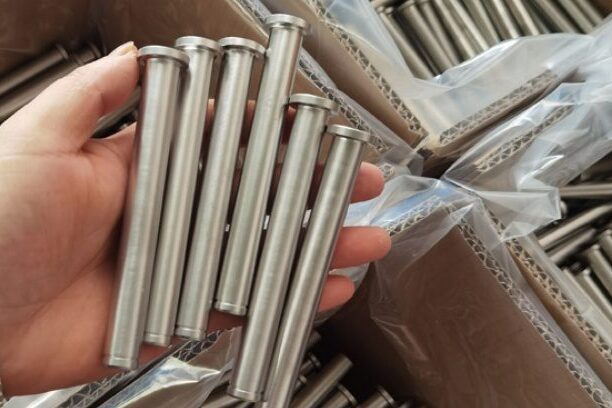
- Turbine Foundations:Heavy hex bolts and high-strength anchor studs in 317L secure the transition piece to the monopile foundation. These joints must absorb massive multi-directional wind and wave loads.
- Nacelle & Blade Assembly:Metric hex bolts and socket head cap screws are used in the internal machinery of the nacelle. Their high fatigue resistance is vital for components subject to constant vibration and rotation.
- Tower & Blade Support:U-bolts are frequently used to manage cable routing and internal piping within the tower, providing a secure, vibration-resistant grip that prevents long-term wear.
Frequently Asked Questions (FAQ)
What is the main advantage of 317L over 316L?
317L contains higher levels of chromium, nickel, and molybdenum, providing enhanced resistance to pitting and general corrosion, especially in acidic or high-chloride environments.When should I use a U-bolt instead of a standard hex bolt?
U-bolts are specifically designed to support piping or to attach round objects to flat surfaces. They provide a “clamping” force around a circumference that a standard bolt cannot achieve.Are 317L fasteners considered “high-strength”?
Yes, 317L fasteners offer excellent creep, stress-to-rupture, and tensile strength, particularly at elevated temperatures compared to conventional stainless steels.
Request a Technical Quote Today
Ensure your project’s integrity with the highest-grade fasteners on the market. Whether you need Metric Hex Bolts, Heavy Hex Bolts, or custom 317L U-bolts, our engineering team is ready to assist.
[Contact Our Specialist for a Custom Quote]